
Ways of Knowing: Western vs Indigenous

In the course of working on a book project with my friend, the photographer and community builder Peter Fisher, I came across the idea that indigenous knowledge is place-based, that knowing and personality, even personal power, are often the result of one’s experience in or with a certain place.
This struck me as interesting because so much of Western knowledge seems to be theoretical and thus disassociated from place. Math is math no matter where you add up the numbers. An electric current will split water molecules in two—into three actually—anywhere on earth. This seems like a rational, archetypically masculine way of knowing.
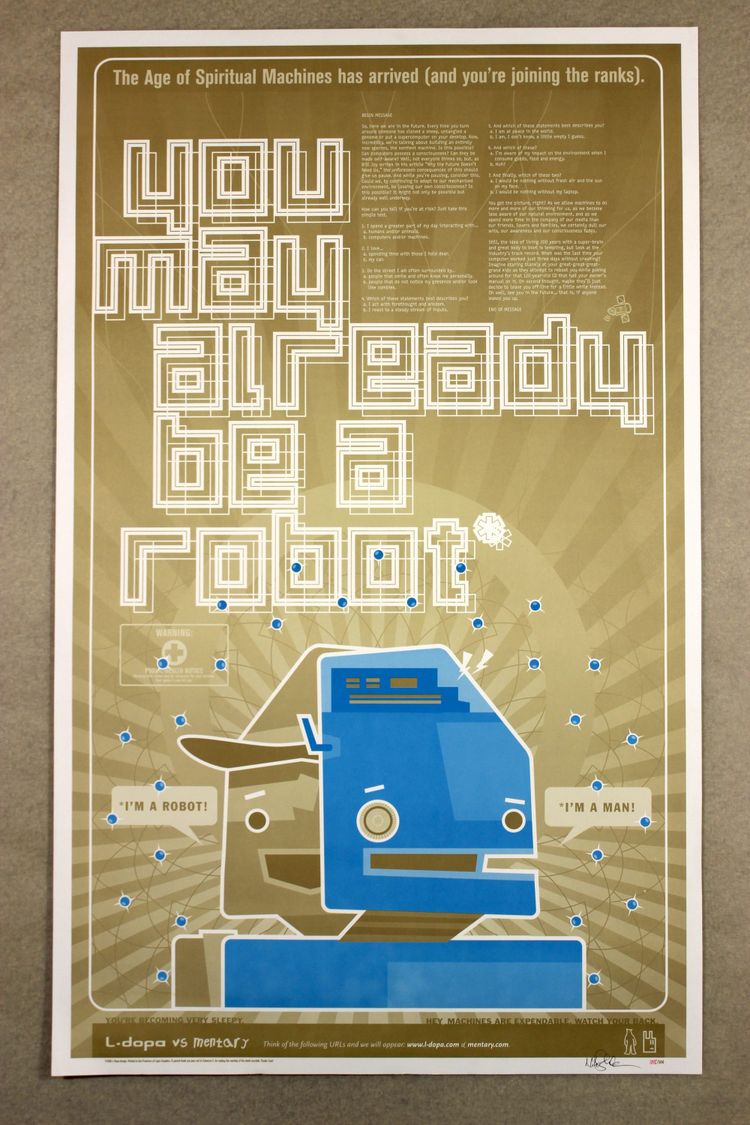
Now we’re diving headlong into developing Artificial Intelligence, perhaps the ultimate form of disembodied knowing.
I wondered… Could this apparent difference in ways of knowing be linked to the disconnection from the body and from body-based ways of knowing (like intuition or emotion) that I perceive in Western culture? I imagine Western culture has been on a search for capital-t Truth as it has tried to understand our world, but in its search for pure knowledge has it lost relational knowledge?
Indigenous knowledge, as far as I understand it, views itself as a part of a relational, interconnected whole. This feels like an emotional, archetypically feminine way of knowing.
(I say archetypically masculine and feminine because I’m referring to masculine and feminine as archetypes, not as stand-ins for men and women. I believe we all have access to, and express, masculine and feminine aspects of consciousness.)
In esoteric teachings, knowledge separated from the body, i.e., without love, creates only chaos.
Why? Because when knowledge is imbued with love, we consider others in our actions. When we act without love, without care, we act only for our own benefit or perhaps for the benefit of our group. We may find ourselves acting from a theoretical basis, from a “this is the way it should be,” or from a “this is best,” mindset. We may then find ourselves in power-over dynamics, infringing on others’ free will. And—as is so often the case—others (whether neighbors, nations, or nature) may eagerly want to get out from under being dominated.
If we insist, we create conflict. If we persist, we create chaos. And in chaos nothing thrives.
If this idea that Western knowledge is creating chaos through its divorce from body and place is correct, could reconnecting our knowledge to body and place help restore balance and harmony in the world and in ourselves?
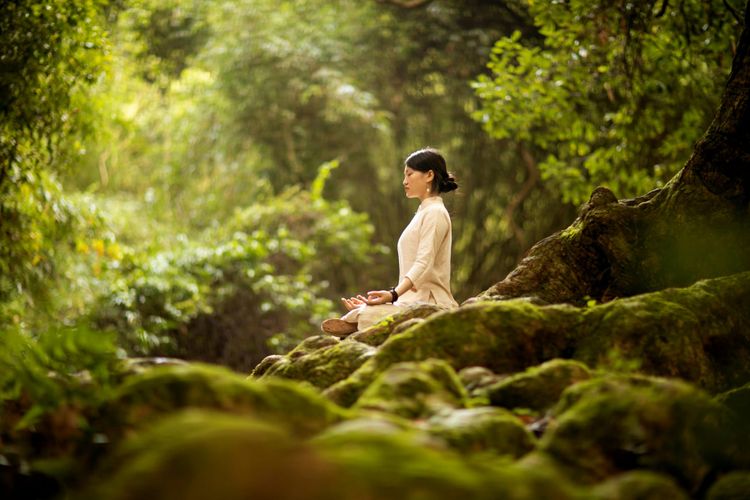
It seems to me that Earth = our bodies = place = feminine.
Can we let the body and the heart lead? Can the rational and theoretical, support body-and-heart-based knowing instead of subjugating it?
What would that take? I imagine we’d all thrive in harmony. I’m open to ideas.
Member discussion